
Cutting-Edge Rehabilitation Technology: A Deep Dive into HBOT and More
VN
In recent years, the field of rehabilitation technology has experienced remarkable advancements. From innovative therapies to state-of-the-art devices, these technologies are transforming the way we approach recovery and rehabilitation. Among these breakthroughs, Hyperbaric Oxygen Therapy (HBOT) stands out as a significant contributor to enhanced healing and recovery.
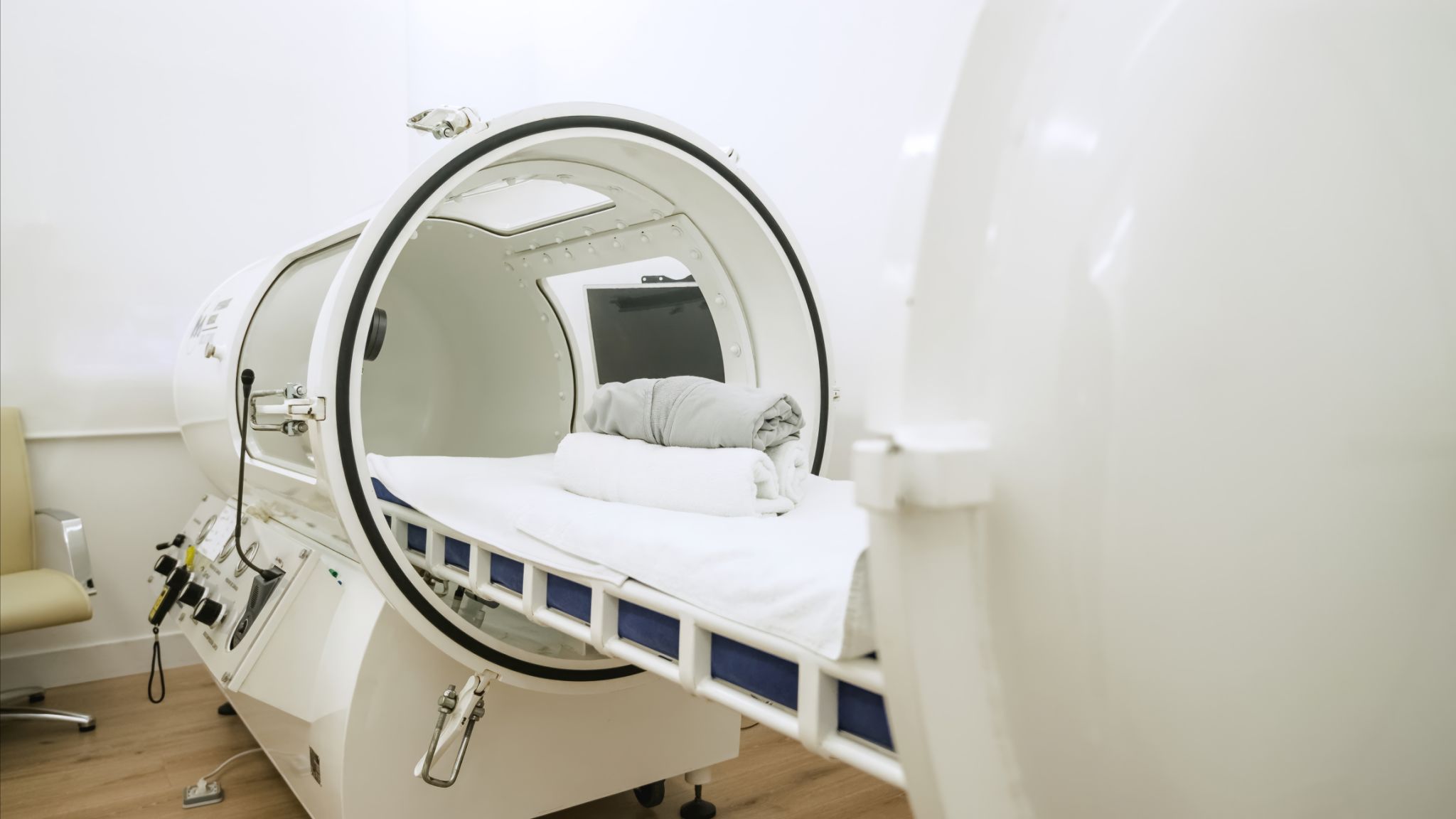
Understanding Hyperbaric Oxygen Therapy (HBOT)
HBOT involves breathing pure oxygen in a pressurized environment. This process increases the amount of oxygen your blood can carry, promoting faster healing of injuries and reduction of inflammation. It is particularly beneficial for conditions such as traumatic brain injuries, chronic wounds, and even certain infections.
The therapy typically takes place in a specialized chamber where patients spend a set period undergoing the treatment. The increased oxygen levels in the bloodstream aid in tissue repair and regeneration, making it a powerful tool for recovery.
Benefits of HBOT
HBOT offers numerous benefits that make it a cornerstone in rehabilitation therapy:
- Accelerated Healing: By enhancing oxygen delivery to tissues, HBOT speeds up the body's natural healing processes.
- Reduced Swelling and Inflammation: The therapy helps in reducing edema and inflammation, providing relief from pain.
- Improved Circulation: Increased oxygen levels boost blood flow, which is crucial for healing damaged tissues.

Exploring Other Cutting-Edge Technologies
Beyond HBOT, various other technologies are making waves in rehabilitation. For instance, robotic exoskeletons have been developed to assist individuals with mobility impairments, helping them walk and regain strength. These exoskeletons are designed to adapt to the user's movements, providing support and enhancing rehabilitation outcomes.
Another noteworthy innovation is virtual reality (VR) therapy. By immersing patients in virtual environments, VR therapy aids in pain management and cognitive rehabilitation. It provides a safe space for patients to practice movements and improve their motor skills.
Integration of Technology in Rehabilitation
The integration of these technologies into rehabilitation programs is revolutionizing patient care. Healthcare providers are increasingly adopting a multidisciplinary approach, combining traditional therapies with advanced technologies to maximize recovery potential.
- Personalized Treatment Plans: Leveraging data from these technologies allows for tailored rehabilitation programs that address individual patient needs.
- Enhanced Patient Engagement: Innovative tools like VR keep patients motivated and engaged, promoting consistent participation in therapy sessions.

The Future of Rehabilitation Technology
As technology continues to evolve, the future of rehabilitation looks promising. Researchers are exploring the use of AI to analyze patient data and predict recovery trends, which could lead to even more personalized and effective treatment plans.
Moreover, the ongoing development of wearable devices that monitor vital signs and activity levels means patients can receive real-time feedback on their progress, further enhancing the rehabilitation process.
In conclusion, cutting-edge rehabilitation technologies like HBOT, robotic exoskeletons, and VR therapy are reshaping the landscape of recovery. These innovations offer hope and improved outcomes for patients, paving the way for a future where rehabilitation is more effective and accessible than ever before.