
The Power of Hyperbaric Oxygen Therapy in Modern Rehabilitation
VN
Understanding Hyperbaric Oxygen Therapy
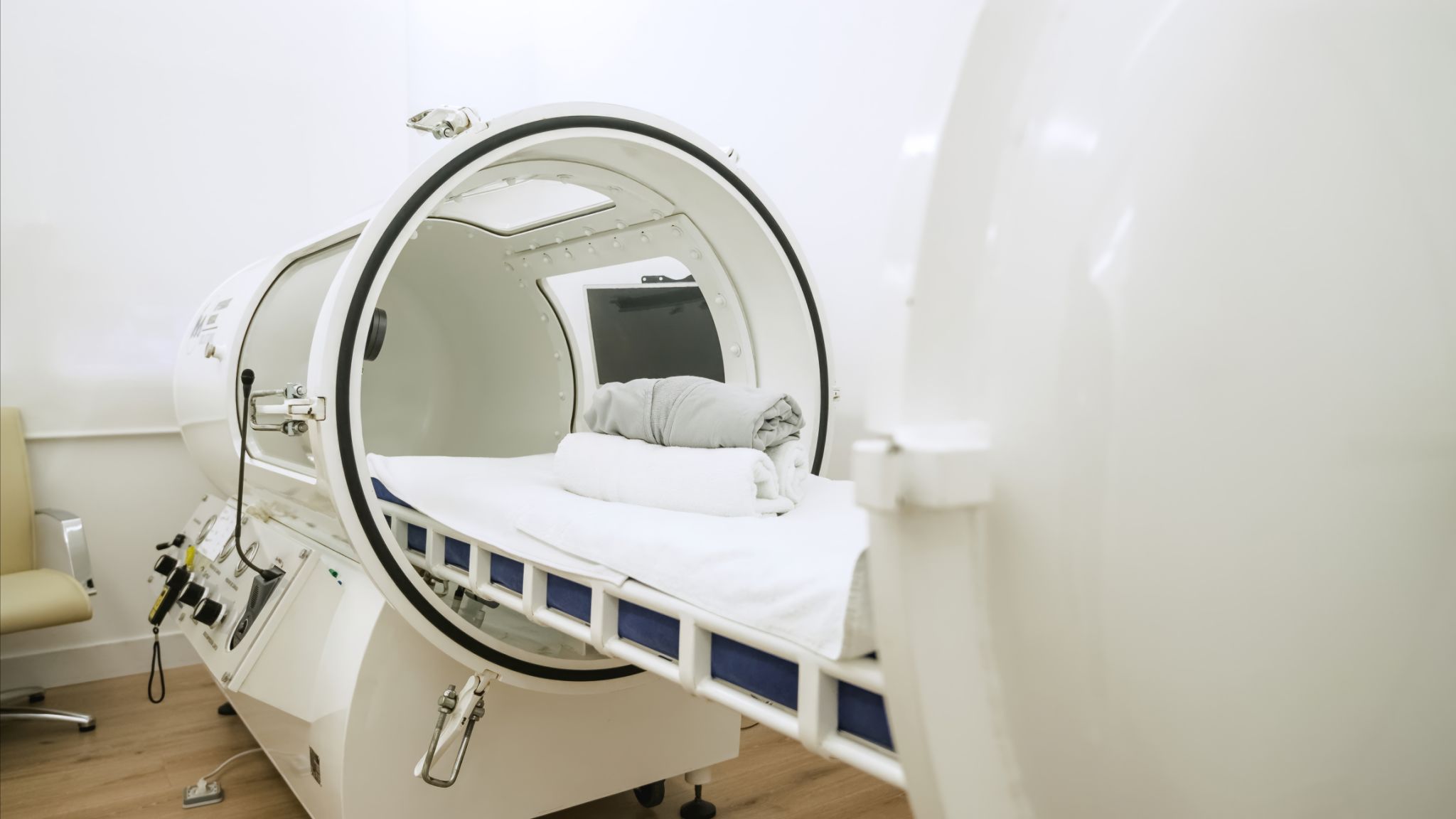
Hyperbaric Oxygen Therapy (HBOT) is an innovative treatment that involves breathing pure oxygen in a pressurized room or chamber. Originally developed to treat decompression sickness in divers, HBOT has gained popularity in modern rehabilitation due to its wide range of health benefits.
The Science Behind HBOT
During an HBOT session, patients are exposed to increased atmospheric pressure, allowing their lungs to gather more oxygen than would be possible at normal air pressure. This surge in oxygen promotes healing by increasing blood oxygen levels, which enhances the body's natural healing processes.
Benefits of HBOT in Rehabilitation
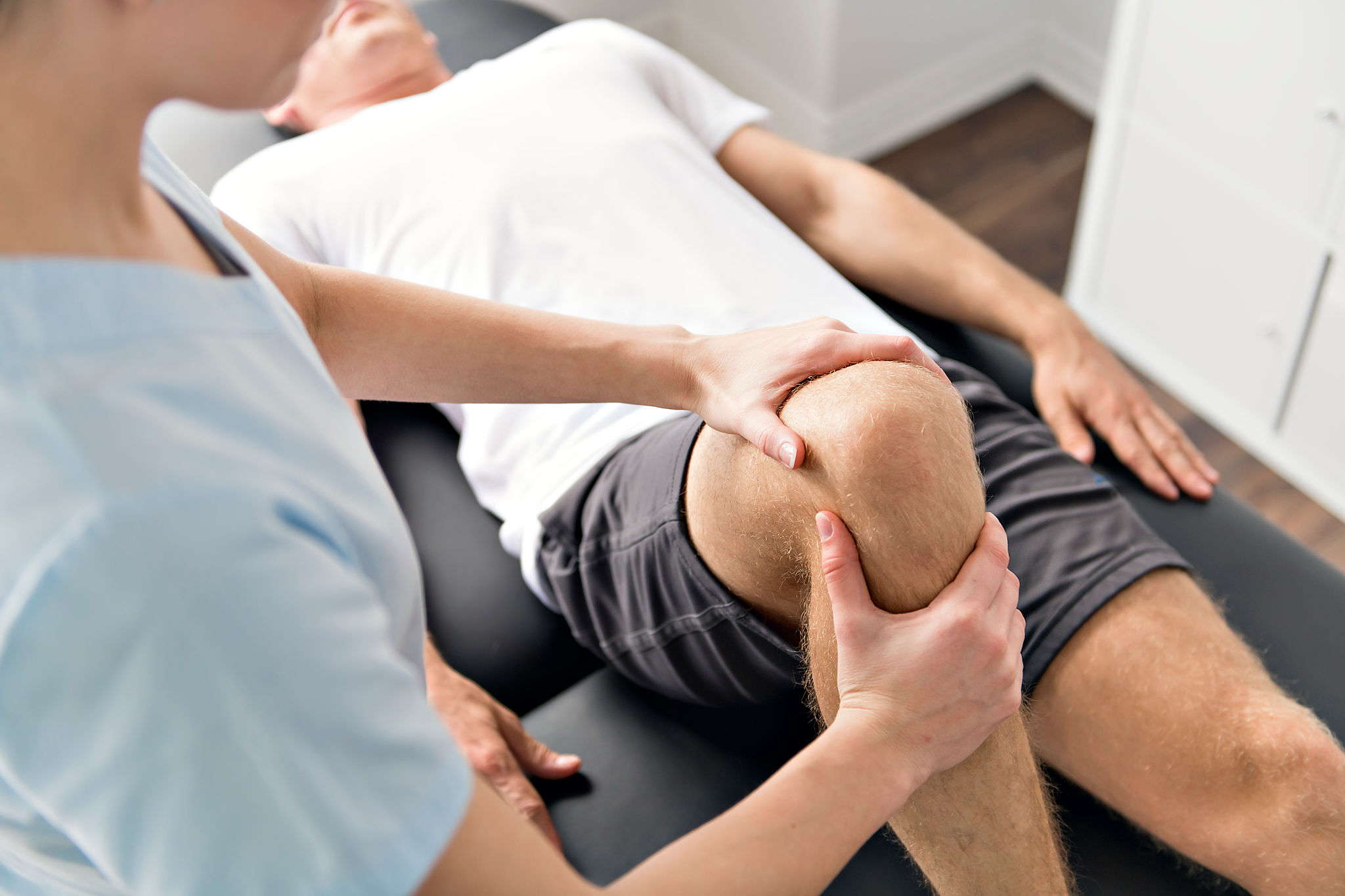
HBOT has shown promise in treating a variety of conditions. It can accelerate recovery from injuries, reduce inflammation, and improve circulation. For patients undergoing rehabilitation, these benefits can be crucial in speeding up the healing process and improving outcomes.

Applications in Modern Medicine
HBOT is used to treat conditions such as chronic wounds, carbon monoxide poisoning, and crush injuries. Its application in modern medicine continues to expand, with research exploring its potential in treating neurological disorders, sports injuries, and even as a complementary therapy for cancer patients.
HBOT for Neurological Conditions
Studies have shown that HBOT may have positive effects on neurological conditions like traumatic brain injury and stroke. The therapy can help reduce brain swelling and improve cognitive function, offering hope for patients with these challenging conditions.
Enhancing Athletic Performance
Athletes have also turned to HBOT to enhance performance and recovery. The increased oxygen levels can help reduce muscle fatigue and accelerate recovery from intense physical activity, providing athletes with a competitive edge.
What to Expect During an HBOT Session
During a typical HBOT session, patients lie comfortably inside a hyperbaric chamber. Sessions can last anywhere from 30 minutes to two hours, depending on the condition being treated. Many patients find the experience relaxing, often comparing it to a meditative state.
Considerations and Precautions
While HBOT is generally safe, it is important to consult with a healthcare provider to ensure it is appropriate for your specific condition. Some patients may experience mild side effects such as ear pressure or fatigue. However, these are typically temporary and manageable.
The Future of HBOT in Rehabilitation
As research continues, the potential applications of HBOT in modern rehabilitation are expected to grow. Its ability to enhance the body's natural healing processes makes it a valuable tool in both traditional and complementary medicine.
Incorporating HBOT into rehabilitation programs can offer patients a holistic approach to healing, combining advanced medical techniques with the body's innate ability to recover.