
Understanding Dry Needling: Myths vs. Reality
VN
Understanding Dry Needling: Myths vs. Reality
Dry needling is an increasingly popular treatment used by physical therapists to alleviate muscle pain and improve range of motion. Despite its growing popularity, many misconceptions still surround this therapeutic technique. Let's explore some common myths and uncover the reality behind dry needling.
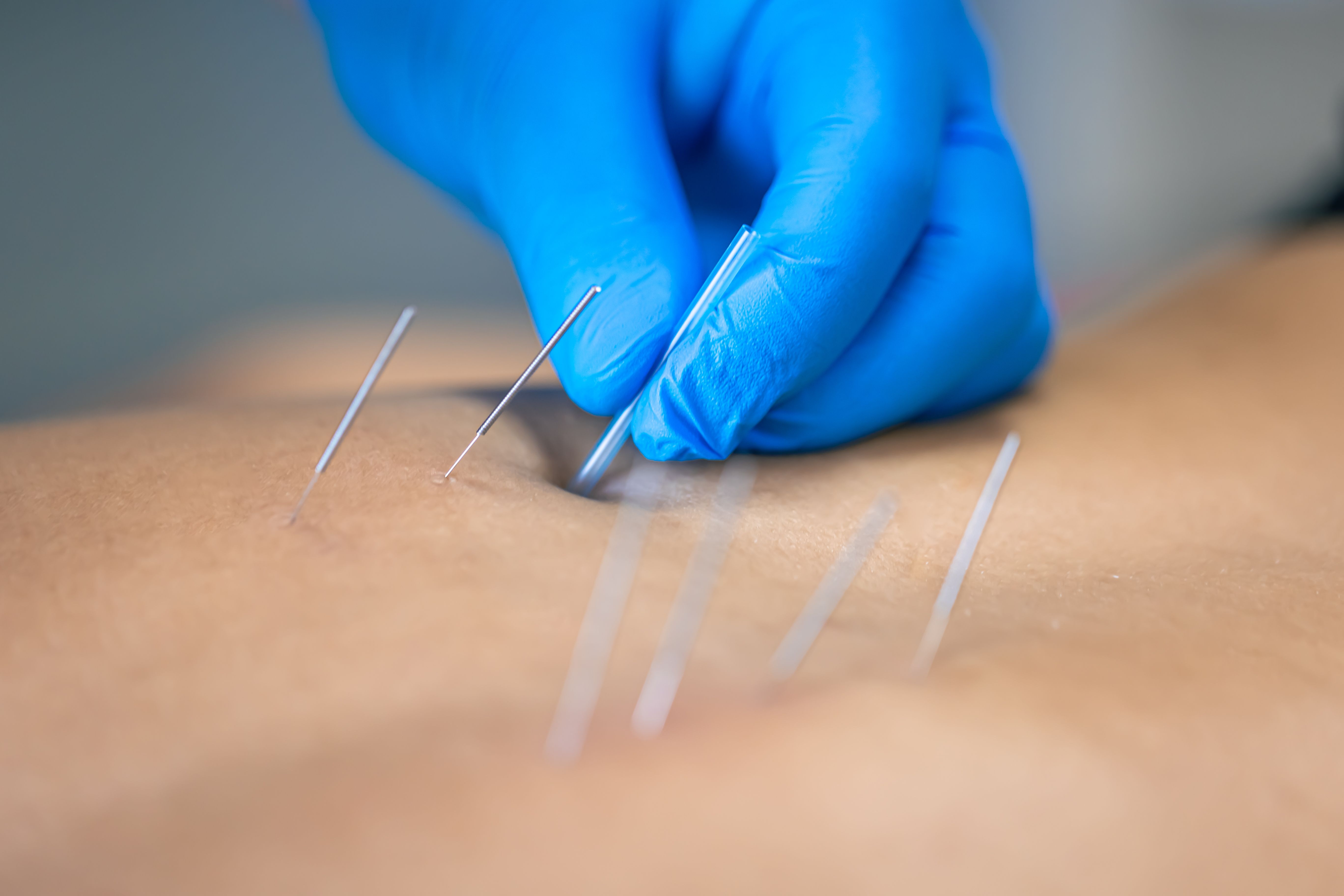
Myth 1: Dry Needling and Acupuncture Are the Same
One of the most prevalent myths is that dry needling is the same as acupuncture. While both techniques involve the use of needles, they are fundamentally different in approach and purpose. Acupuncture is rooted in traditional Chinese medicine and focuses on restoring energy balance. In contrast, dry needling is based on Western medicine principles, targeting specific muscle trigger points to relieve pain and improve function.
Understanding these differences is crucial for patients seeking the most appropriate treatment for their condition. It's essential to consult with a qualified healthcare provider to determine whether dry needling or acupuncture is better suited to your needs.
Myth 2: Dry Needling Is Painful
Another common misconception is that dry needling is a painful procedure. In reality, most patients experience minimal discomfort during and after the treatment. The sensation varies from person to person, but many describe it as a mild ache or pressure rather than pain. Most practitioners are skilled in minimizing discomfort and ensuring the patient's comfort throughout the session.

Myth 3: Dry Needling Is Dangerous
Some individuals worry about the safety of dry needling, fearing potential injuries or infections. However, when performed by a trained and certified professional, dry needling is a safe and effective treatment option. Practitioners use sterile, single-use needles to prevent the risk of infection, and they are well-versed in anatomy to avoid any complications.
It's important to choose a licensed practitioner to ensure the procedure is conducted safely and effectively. Proper training and adherence to safety protocols significantly reduce any associated risks.
Reality: Dry Needling Offers Numerous Benefits
Despite the myths, dry needling provides a range of benefits, particularly for those suffering from chronic pain or muscle tightness. By targeting trigger points, this technique can help release tension, reduce pain, and improve mobility. Many patients report significant improvements in their symptoms after just a few sessions.

Moreover, dry needling can be an excellent complement to other physical therapy treatments, enhancing overall outcomes and accelerating recovery. It's a versatile tool that can be tailored to meet the unique needs of each patient.
Conclusion
Understanding the realities of dry needling can help demystify this effective treatment and encourage more individuals to consider it as part of their pain management strategy. By dispelling these myths, we can focus on the proven benefits and ensure that patients receive the best possible care.
Always consult with a qualified healthcare provider to determine if dry needling is right for you and to receive treatment from a trained professional. With the right approach, dry needling can be a valuable addition to your wellness journey.