
Winter Sports Injury Prevention: Expert Tips from The Rehab Room
VN
Understanding Winter Sports Injuries
Winter sports are thrilling, offering a rush of adrenaline against a snowy backdrop. However, they also come with a risk of injuries. Common issues include sprains, fractures, and concussions. Being aware of these risks is the first step toward prevention.
Many injuries occur due to lack of preparation or improper equipment. Skiing, snowboarding, and ice skating require specific gear designed to protect against impact and cold conditions. Ensuring you have the right gear can significantly reduce the risk of injury.

Preparation and Conditioning
Conditioning your body before hitting the slopes is crucial. Engaging in exercises that build strength, flexibility, and balance can help prevent injuries. Focus on core-strengthening exercises and leg workouts to improve stability and control.
Consider incorporating activities such as yoga or Pilates into your routine. These can enhance flexibility and reduce the risk of strains. Additionally, cardiovascular exercises will improve your endurance, keeping you active longer without fatigue.

Importance of Warm-Up
A proper warm-up is essential before any winter sport. Spend at least 10-15 minutes warming up your muscles with light activities like jogging or jumping jacks. This prepares your body for more intense physical exertion and reduces the chance of injury.
Choosing the Right Equipment
Investing in high-quality equipment is crucial for safety. Ensure your gear is properly fitted and maintained. Helmets, in particular, are vital for protecting against head injuries. Choose a helmet specifically designed for your sport for optimal protection.

Regularly inspect your gear for wear and tear. Damaged equipment can fail when you need it most, leading to accidents and injuries. If you're unsure about your equipment's condition, consult with a professional for advice.
Understanding Weather Conditions
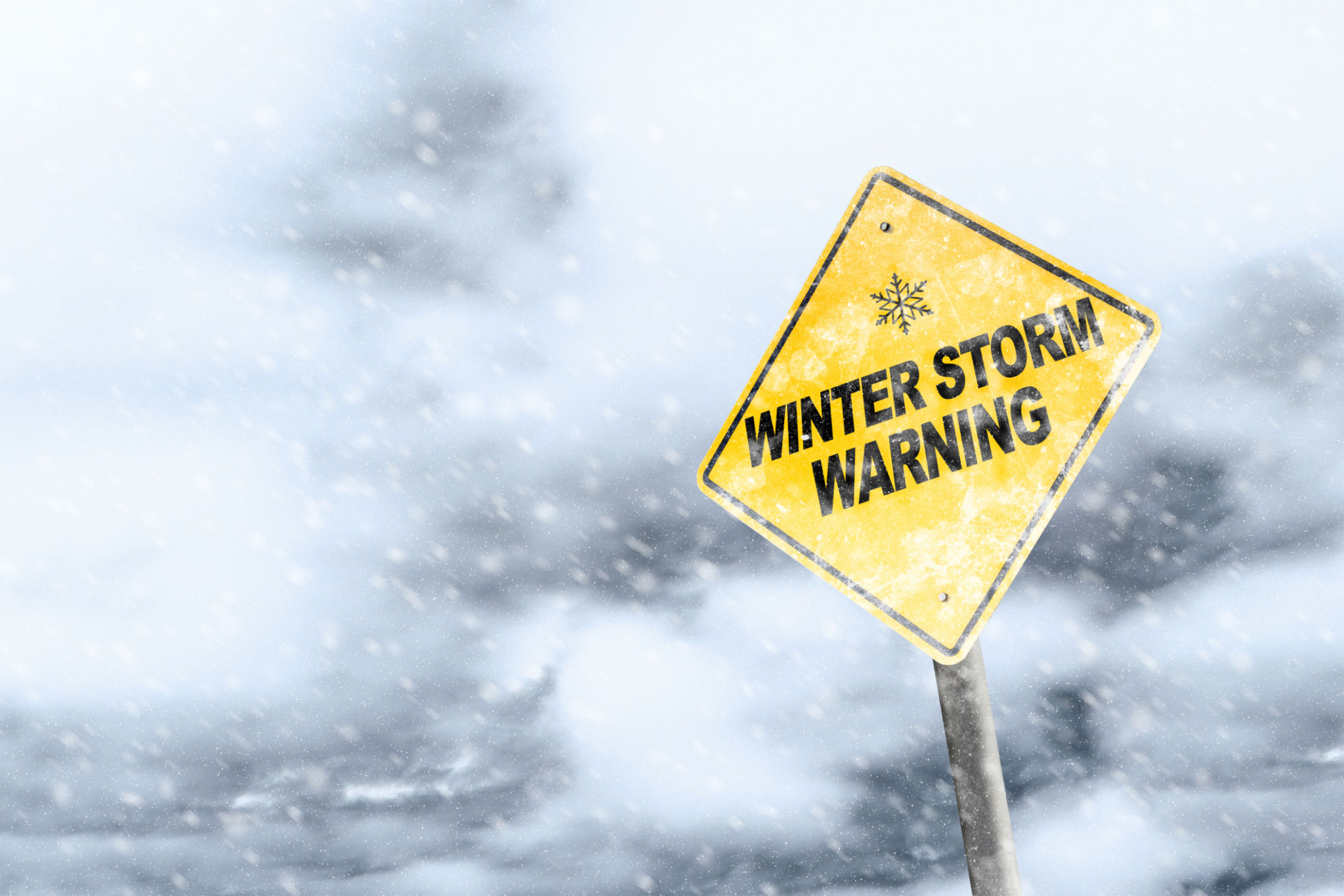
Weather can significantly impact safety during winter sports. Check forecasts and be aware of changing conditions. Avoid going out in extreme weather, such as heavy snowstorms or icy conditions, as these increase the risk of accidents.
Understanding how weather affects different surfaces can also be beneficial. Icy or slushy conditions may require adjustments in technique to maintain control and balance.
Stay Hydrated and Nourished
Cold weather can distract from the need to stay hydrated, but it's just as important in winter as in summer. Dehydration can lead to fatigue and decreased performance, increasing the risk of injury. Drink plenty of water and consume a balanced diet to maintain energy levels.
Listen to Your Body
One of the most effective ways to prevent injuries is to listen to your body. If you feel pain or excessive fatigue, take a break. Pushing through discomfort can lead to more serious injuries and prolonged recovery times.

By following these expert tips from The Rehab Room, you can enjoy winter sports safely and minimize the risk of injury. Remember, preparation and awareness are key to a fun and injury-free winter sports season.